


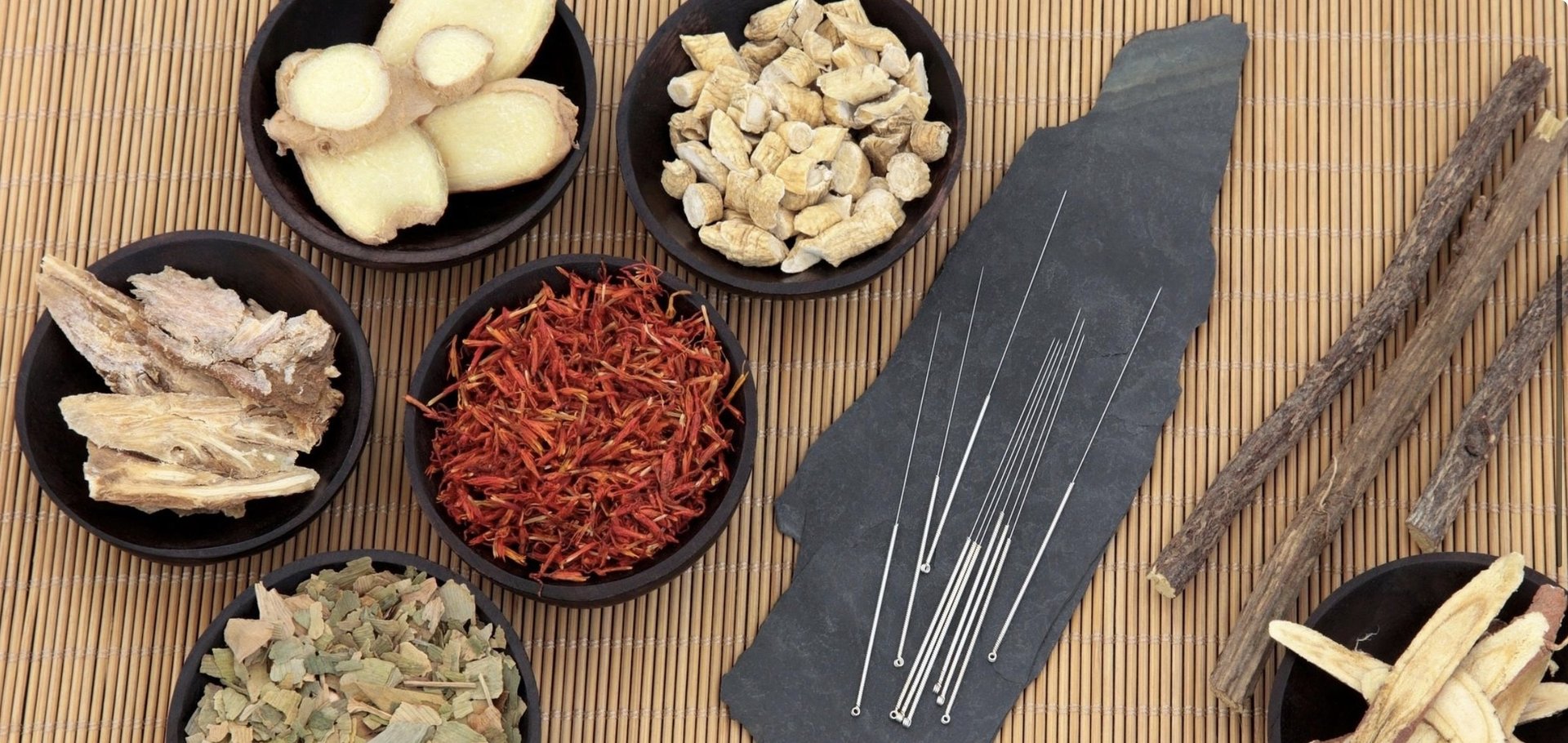



What is Acupuncture / Dry Needling and Acupuncture Therapy?
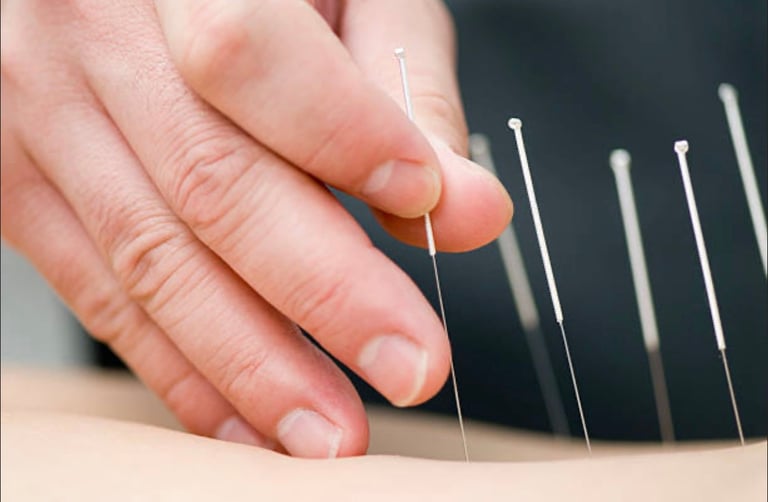
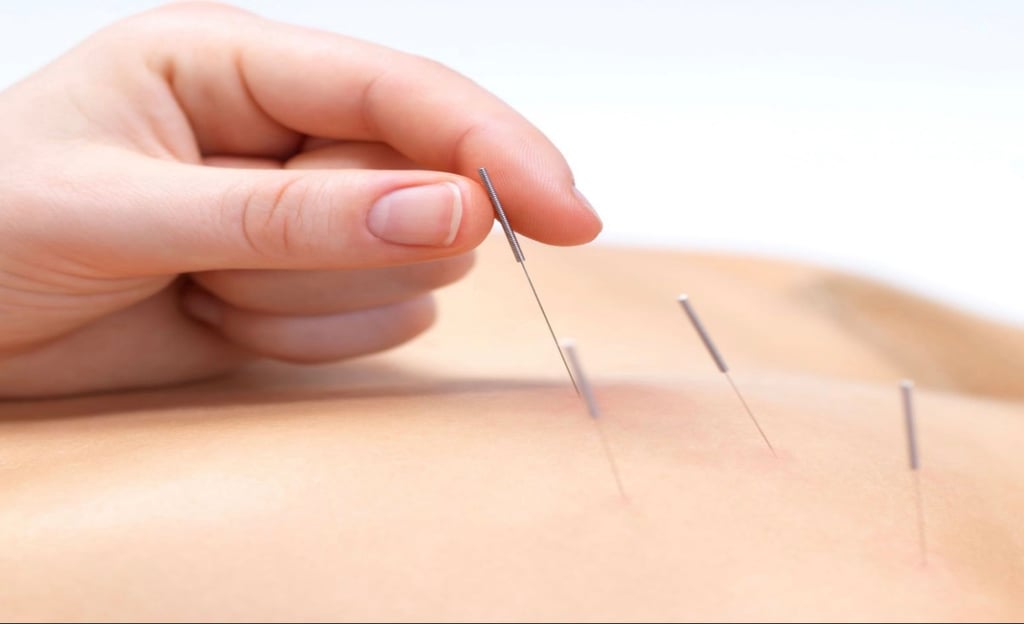
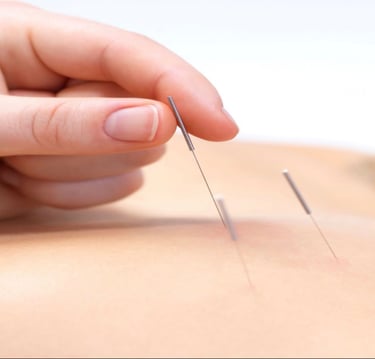
Acupuncture is the insertion of super thin needles into specific points on the body known as Acupuncture points and Ashi points (myofascial trigger points in Western medicine). Dry needling is an effective acupuncture-based technique using acupuncture needles and inserting them into myofascial trigger points (Ashi points) to release tight muscles, reduce pain, and restore movement to support natural healing and muscle recovery.
Having Acupuncture done with a comprehensive treatment plan that often includes acupuncture alongside other modalities like cupping, herbal medicine, or lifestyle advice by a certified Acupuncturist is known as having Acupuncture therapy.
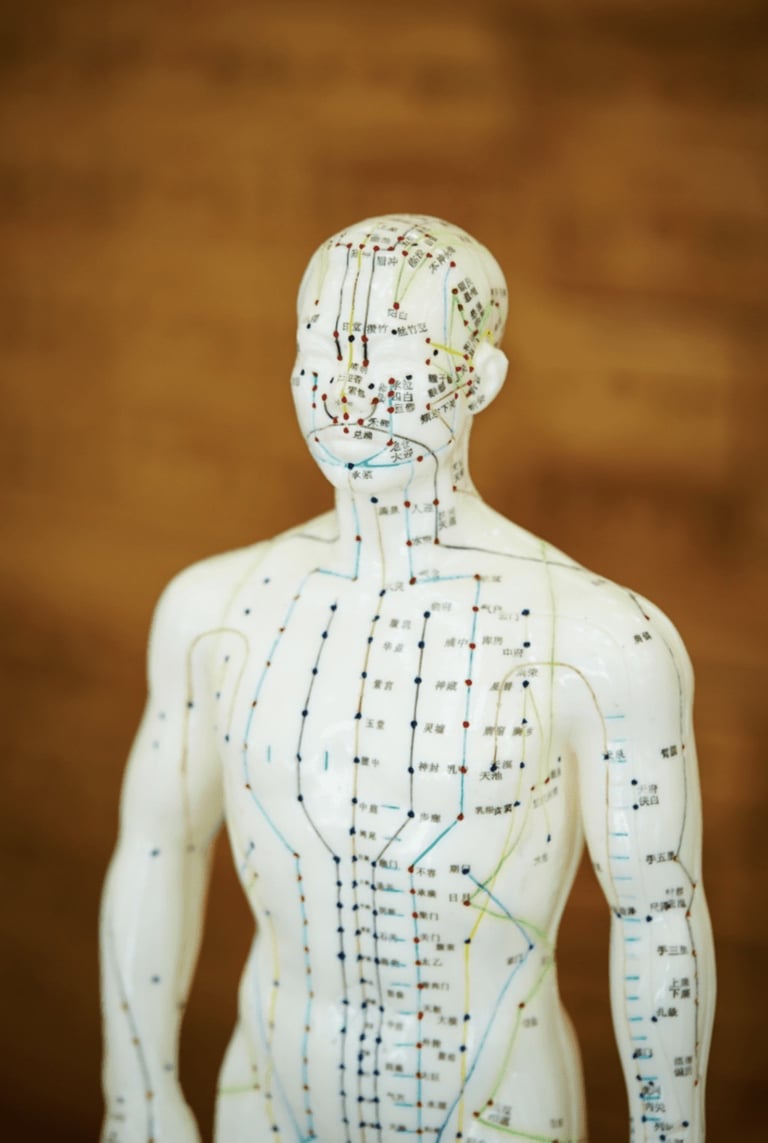
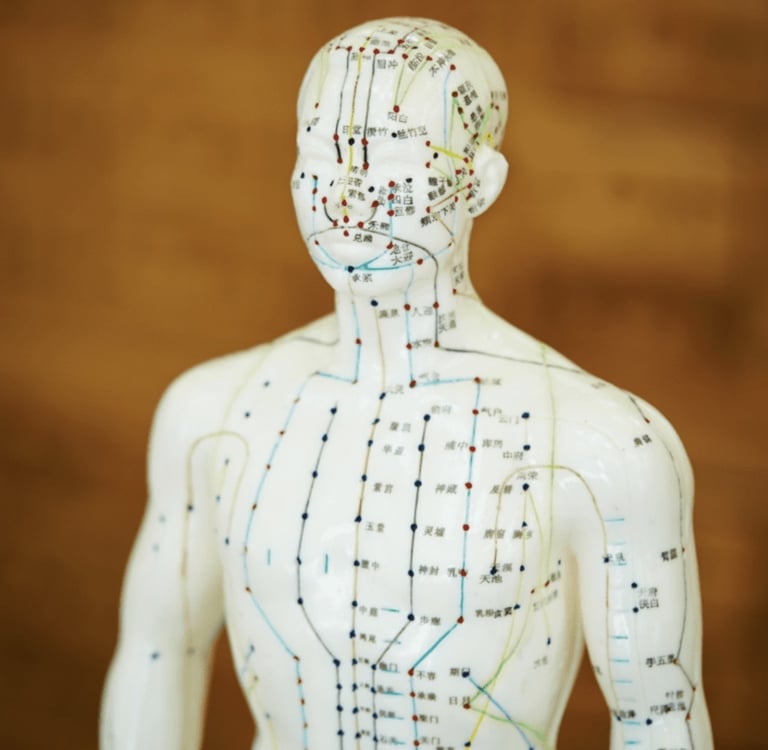
Acupuncture points are located along pathways called meridians. Research suggests that meridians have a strong correlations to a functional network of connective tissue (fascia), nerve bundles, and vascular structures.
When Acupuncture points are used during Acupuncture therapy research suggests stimulating these points triggers the body's natural healing mechanisms, such as the release of natural painkillers and serotonin.
Explore the potential of acupuncture, a natural health practice embraced by millions globally seeking enhanced wellness. Find out if it's a good fit for you.
What is it good for?
Acupuncture triggers the body’s innate healing systems by enhancing circulation (Blood flow), which delivers vital oxygen, nutrients, and immune factors to tissues. This process supports tissue repair and overall health maintenance.
Research also shows that by balancing hormones and calming the nervous system, acupuncture directly impacts energy levels and fatigue. It aids in lowering stress-related cortisol, boosts adrenal health, and enhances sleep quality.
Here are some of the most common conditions that people use acupuncture for:


Can I expect a difference from my Acupuncture or Dry needling Treatment?
Dry Needling is Acupuncture. The language varies slightly but the treatment and mechanism is the the same. In California, dry needling is considered
a form of acupuncture and is restricted by law to licensed acupuncturists, physicians, and certain other authorized practitioners (dentists, podiatrists). Physical therapists in California are currently prohibited from performing dry needling, as it is excluded from their scope of practice.
How do I prepare for an Acupuncture treatment?
-Complete any necessary paperwork online ahead of time. A link to your medical intake forms will be sent to your email address on file.
-Eat a light meal or snack beforehand.
-Wear loose, comfortable clothing so we can easily access areas like your arms, legs, or back as needed.
-After the Acupuncture treatment there is no downtime. Most patients leave feeling relaxed, centered, and often more energized. You can return to your normal daily routine right away, although we recommend taking it easy and enjoying the after-effects whenever possible.-For your safety and the effectiveness of treatment, we cannot provide acupuncture to patients who are under the influence of alcohol or recreational drugs.
Does Acupuncture Hurt?
Most patients are surprised by how comfortable acupuncture feels. The needles we use are extremely thin (12 to 24 can fit inside the tip of one standard medical needle used for injections or blood draws).
They are inserted gently and often at a shallow depth, often causing little to no discomfort at all. Many people don’t feel the needles going in, and if they do, it’s typically a mild, momentary sensation.
Once the acupuncture needles are in place, most patients feel deeply relaxed some even fall asleep during their treatment. Acupuncture is designed to be a calming and restorative experience, and most patients leave their sessions feeling lighter, more balanced, and refreshed
How Many treatments are recommended?
Every person and their condition is different. Some clients with acute conditions respond very quickly, while clients with more chronic conditions need more attention and care. Every treatment is specific to an individual client's needs. Commonly, a series of four to six treatments are recommended for acute problems. Chronic conditions could vary from 2 to 3 treatments per week for a few months to a year. Response to care will depend on severity and length of time with condition as wells as lifestyle, diet and the individuals constitution.
Is it safe?
Yes, Acupuncture is generally considered safe when performed by a trained, licensed practitioner using sterile, single-use needles. It is a low-risk, effective treatment for many ailments, especially pain management, digestive disorders, stress related issues and many more.
Does Acupuncture have side effects?
Acupuncture is generally very safe when done by a Licensed Practitioner. Most patient leave their sessions feeling relaxed, refreshed, and with improved feeling of well-being. While Side effects are not common; soreness, minor bleeding, bruising at needle sites, fatigue, and temporary lightheaded feeling have been reported.
What if I am afraid of needles?
Discuss this with your practitioner. There are other modalities to activate Acupuncture points for clients that are sensitive or fearful of needles. Including our Red Light therapy pen, acupressure, essential oils, Tui na (therapeutic massage) and infrared light .
What should I do after an Acupuncture treatment?
To maximize the benefits of your Acupuncture treatment we recommend: Stay hydrated to help flush out toxins. Avoid intense physical activity. Eat a nourishing meal to support your body’s healing. Take time to to yourself.
Common questions about Acupuncture?




What Health Organizations endorse Acupuncture?
Acupuncture is endorsed by:
National Institutes of Health (NIH): Formally recognized its value for pain relief, addiction, and rehabilitation since 1997.
World Health Organization (WHO): endorses acupuncture by recognizing it as a safe, evidence-based complementary therapy for numerous conditions, including chronic pain, migraines, and chemotherapy-induced side effects.
Johns Hopkins Medicine: endorses acupuncture as a legitimate, research-backed complementary therapy for pain management and various health conditions
American College of Physicians (ACP): Recommends acupuncture as a first-line treatment for chronic low-back pain.
The Joint Commission: Supports its use for pain management.
Food and Drug Administration (FDA): Encourages acupuncture as a non-pharmacological approach for pain.
CDC (WTC Health Program): Covers acupuncture services for certified conditions.
Academic Consortium for Integrative Medicine & Health: Advocates for evidence-based acupuncture in clinical care.
American Academy of Medical Acupuncture (AAMA): Promotes its integration into conventional medicine.